Research areas

Advanced research for a connected maritime system.

DatamarLab develops distinct research streams on the big questions in shipping and foreign trade, from port operations to decarbonization, regulation and trade flows. Each area begins with a defined problem, transparent methods and evidence that can be tested and shared.

Our research model

Distinct areas. One long-term vision.

Maritime transport is a connected system, but meaningful research needs focus. Our research areas create clear programs around specific challenges while contributing to a broader vision of Collaborative Decision-Making.

The rule as a navigator's fix: three lines of position, from the question, the data and the scientific pathway, cross at one point, the active area; from there its course runs on, the water ahead dashed

A new research area begins only when three things are clear: the question, the data and the scientific pathway.

Current research

Where our work is active today.

Active research area

Our first research area

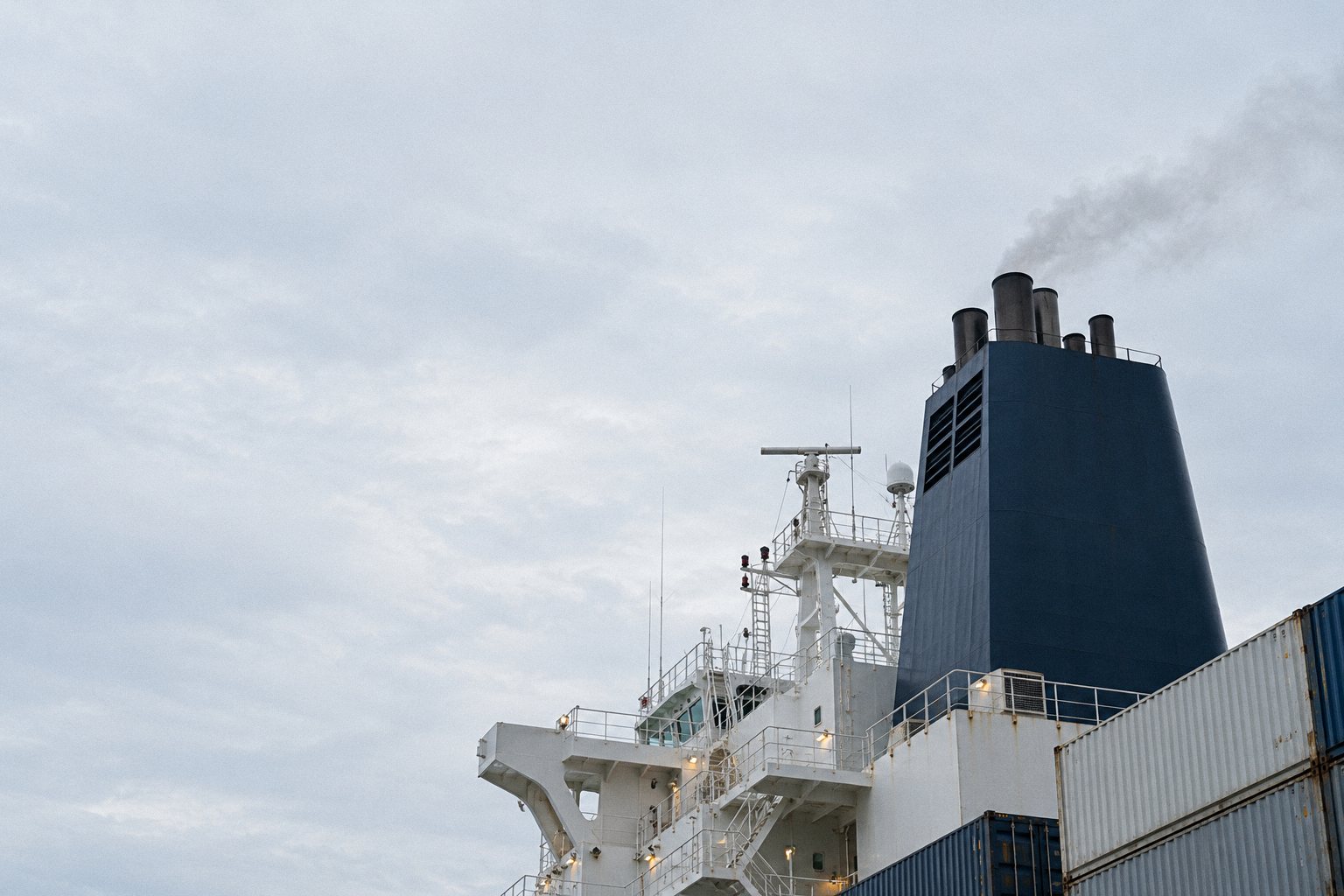
Maritime Decarbonization

Developing detailed, scientifically grounded ways to measure maritime emissions by vessel, voyage leg and cargo — beginning with a single voyage and scaling to 50 vessels.

Explore Decarbonization
Future directions

Research streams we may explore next.

These themes reflect important sector questions. They are not yet active projects and will be prioritised as research capacity, partnerships and evidence develop.

  • Next stream 02

    Vessel utilization

    How capacity is used across services, routes and individual voyage legs.

  • Next stream 03

    Port and terminal performance

    Time in port, waiting, berth operations and possible bottlenecks.

  • Next stream 04

    Routes and cargo flows

    How maritime networks, transshipment and trade dynamics connect markets.

  • Next stream 05

    Supply, demand and capacity

    How changing trade volumes affect ports, services and available capacity.

  • Next stream 06

    Predictive models

    Transparent forecasting and scenario comparison grounded in validated data.

  • Next stream 07

    Additional research areas

    New streams shaped by evidence, sector needs and collaborative research.

How an area develops

From sector question to shared knowledge.

  1. Define the challenge
  2. Assess the evidence
  3. Develop the method
  4. Demonstrate
  5. Validate and scale
  6. Publish findings

Sponsorship

Help shape DatamarLab’s research.

Sponsors follow the research closely, help choose the next topics and get early access to results and new products.