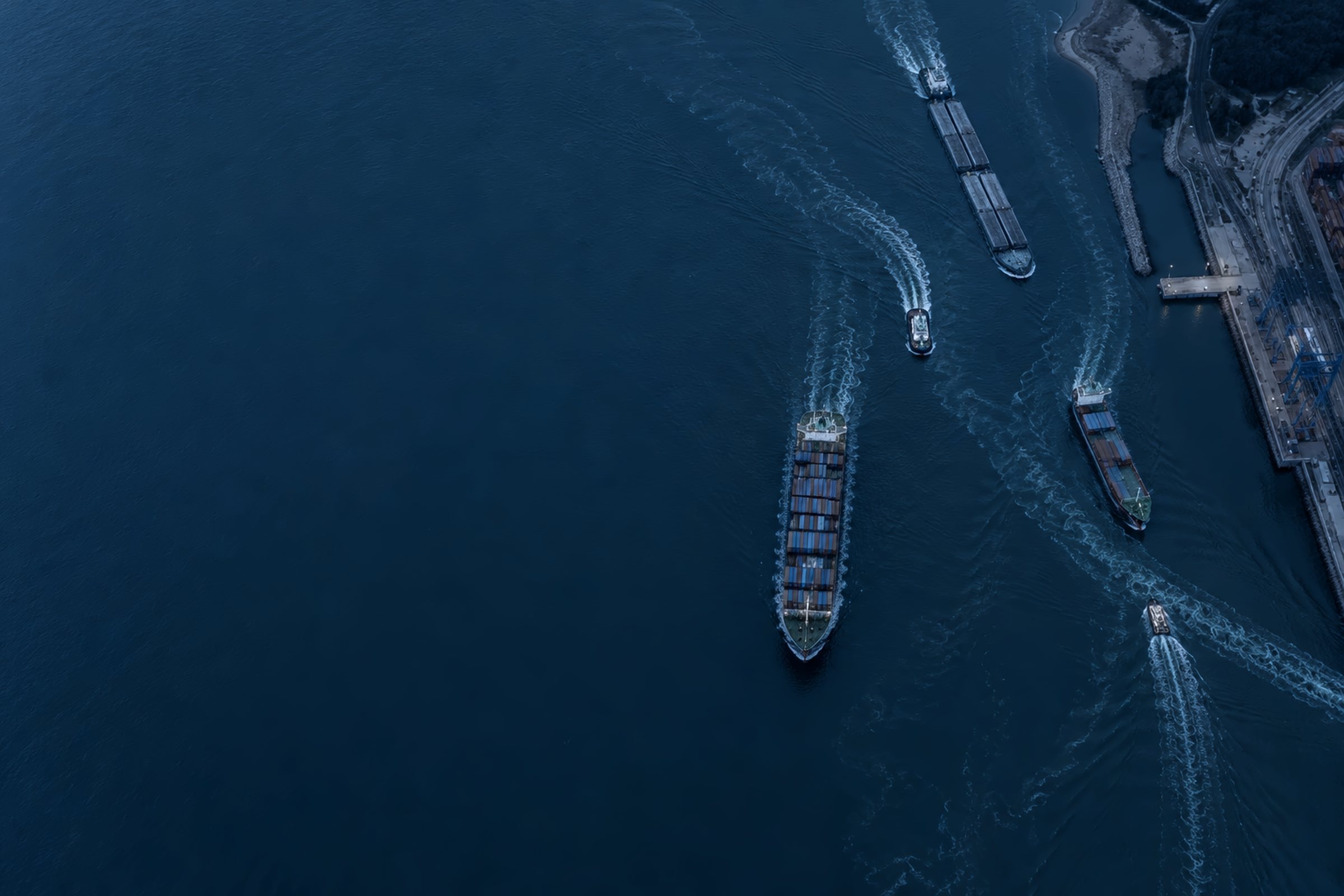
Science and data for better maritime decisions.
Our long-term vision is to contribute to Collaborative Decision-Making across maritime and port operations.
Take partTake part
What should Collaborative Decision-Making solve for you?
Choose up to three priorities. The answers help shape DatamarLab's next research steps.
Our vision
A more connected understanding of maritime transport.
Maritime transport connects markets, companies and people through a complex network of ships, ports, terminals and logistics operations. Decisions in each part affect how the whole system performs.
DatamarLab was created to help build a future where these decisions are based on information that is increasingly reliable, transparent and scientifically grounded. This vision is aligned with Collaborative Decision-Making (CDM).
Why CDM?
One system. Many partial views.
Participants still make decisions using different data, methods and views of operations.
- Transparency on maritime operations
- Vessel and port utilization
- Operational inefficiencies
- Environmental and economic impacts
- Forecasting and scenario comparison
- Scientific grounding for strategy
Why Datamar?
A partner the industry already trusts.
Collaborative Decision-Making depends on who gathers the industry's information, with rigour and independence. For 30 years, that has been Datamar's work.
30 years in the industry
Since 1996 we have followed South American maritime trade, vessel by vessel, port by port.
Partnerships from the start
Long-standing relationships with shipping lines, agents, ports and terminals in Brazil, Argentina, Uruguay and Paraguay.
A relationship of trust
For three decades, companies across the industry have entrusted their information to Datamar, always handled with care and in confidence.
Quality that doesn't slip
We review and correct continuously, so that every TEU is accounted for. Quality is not negotiable.
A solid partner
Stable, reliable and here for the long term: a partner the industry can lean on.
For the industry as a whole
We work so that the whole industry moves forward. Collaboration works when everyone gains.
Our first step
Maritime Decarbonization
Total emissions do not show what belongs to a specific voyage, leg or cargo. Coordinated decisions require reliable methods to measure and compare.
- Demonstrated
Single-voyage study
One voyage analysed leg by leg, with emissions allocated to each shipment. Scientific article published; Executive Report available.
- In progress
50-vessel study
Scaling from 1 to 50 ships, tracking containers through transshipment, and including biofuels.
Decarbonization is our starting point — not the limit of our ambitions.
Next frontiers
Maritime and Port Analytics
Possible research lines, still to be prioritised and developed into specific projects.
Future researchVessel utilization and capacity
How available capacity is used along a route.
Routes and maritime services
How South American shipping networks evolve.
Port and terminal efficiency
Time in port, waiting and possible bottlenecks.
Supply, demand and port capacity
How trade change affects ports and services.
Container flows and cargo dynamics
Movements including transshipment.
Predictive models and scenarios
Forecasting with transparent, validated methods.
Our approach
Data, science and technology — together.
Specialised maritime data
30 years of Datamar experience organising South American maritime trade data.
Scientific research
Methods validated by qualified researchers, with assumptions and limitations documented.
Technology and AI
Tools for integrating and modelling large datasets — testable, auditable and explainable.
Value comes not only from data volume but from quality, consistency, validation and transparency. Future collaborative applications must respect confidentiality, usage rights and data governance.
How research advances
Building the future, one validated step at a time.
- Identify the problem
- Develop the method
- Proof of concept
- Validate and scale
- Share knowledge
- Explore applications
Not every research project becomes a commercial product. Scientific knowledge that improves understanding of the sector is valuable in itself.
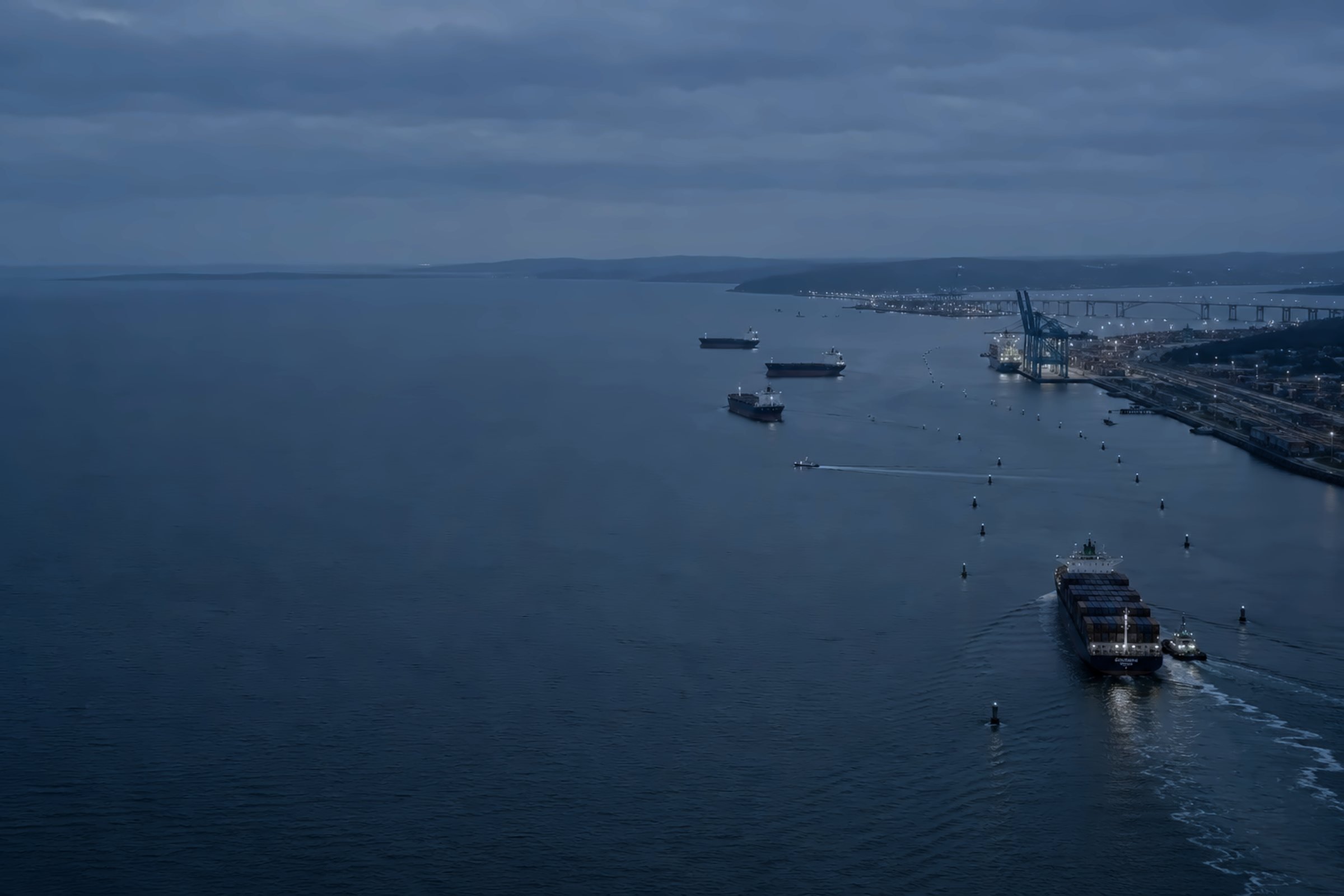
Let’s talk
Help shape better maritime decisions.
Contact DatamarLabFollow our research as it develops —